

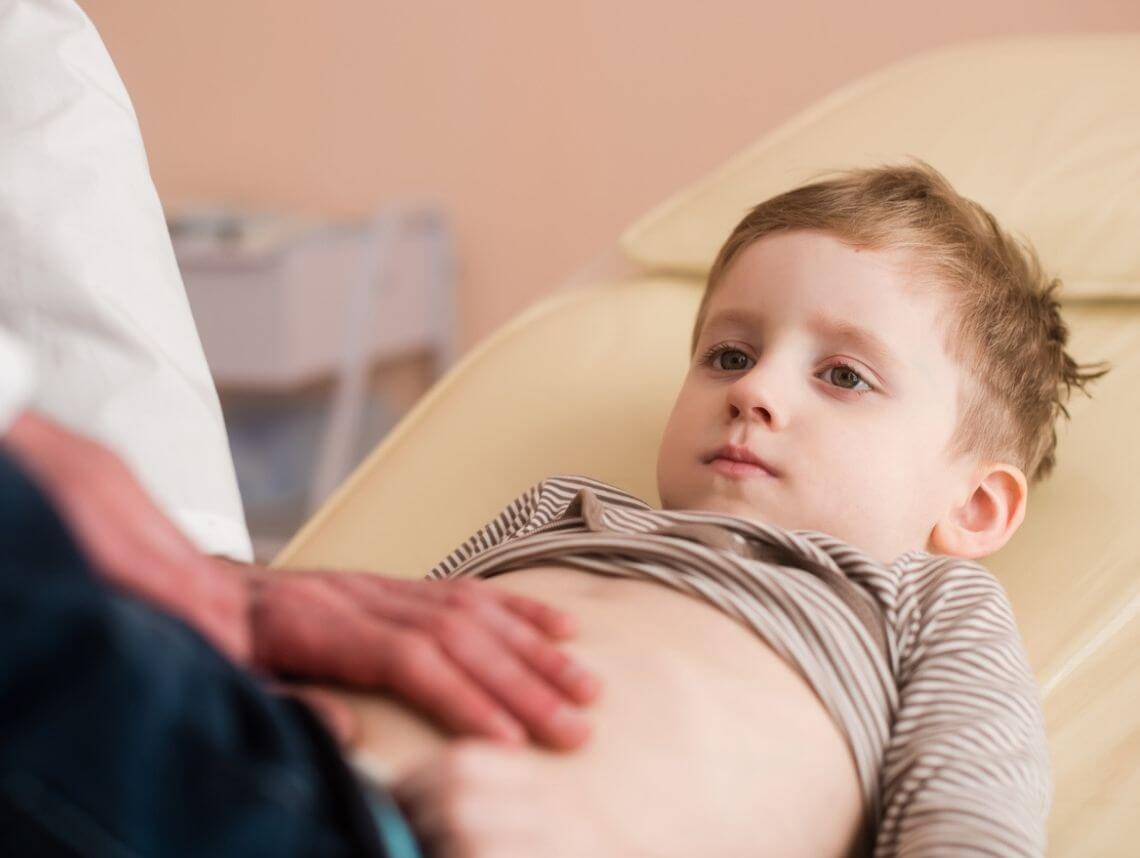
The Importance of Kidneys: The kidneys filter waste products, regulate the amount of body water, and control blood pressure/fluids. If Kidney diseases develop, they limit the ability of infants and Young Children to grow, develop properly, or be comfortable in everyday life. However, most kidney conditions affect children in the first year of life and can be treated if caught early. Parents must be aware of common signs and symptoms associated with kidney disease and have regular check-ups for their children. The best form of medical care for Children’s kidney health, from infancy to adolescence, is through a Pediatric Nephrologist.
Understanding Pediatric Nephrology
- The medical specialty of Pediatric Nephrology deals with diagnosing and treating diseases affecting the kidneys and urinary tract systems of children.
- Kidney disease in children often presents differently than it does for adults because of their ongoing growth and development processes.
- Pediatric nephrologists have advanced training that enables them to recognize the earliest symptoms of a child’s decline in kidney function.
- All pediatric nephrologists aim to support a child’s long-term health and development by providing comprehensive, developmentally appropriate care.
Common Urinary and Kidney Problems in Children
- Kidney problems in a child could mean they have a urinary tract infection (UTI).
- Children with kidney problems will have symptoms such as:
- Pain or burning when urinating.
- Bedwetting.
- Urine with blood. Repeat urinary problems (UTIs).
- You will notice poor feeding, fever, irritability, or failure to thrive (slow growth) in babies with kidney problems.
- Early intervention for these problems can reduce the number of infections that occur and prevent damage from occurring to the kidneys over time.
Kidney Diseases Found in Infants
- Structural kidney disorders can occur when an infant is born or shortly after birth.
- The abnormalities can negatively affect the child’s kidney function and/or ability to urinate and may occasionally need to be monitored over time.
- The ability for doctors to make an early diagnosis through imaging studies and routine screenings will help them manage the structural abnormality and decrease the incidence of long-term complications.
Role of Child Kidney Care
Child Kidney Care treats currently existing issues and prevents ongoing damage.
Pediatric NEPHROLOGY assesses kidney function and monitors blood pressure and hydration needs.
Regular follow-up and treatment in childhood can assist in maintaining kidney function and increase quality of life in pediatric patients.
Preventing Problems with the Kidney The kidneys of children can be protected with preventive measures. Prompt diagnosis and treatment for urinary tract infections, proper hydration, and regular pediatric check-ups are all ways to decrease the chance that a child develops damage to their kidneys. By recognizing their child’s symptoms and seeking immediate medical attention, parents can assist.
